problems
Why Surfaces Streak After Cleaning
Streaking is physics and process: where liquid last stood is where solutes concentrate when it leaves.
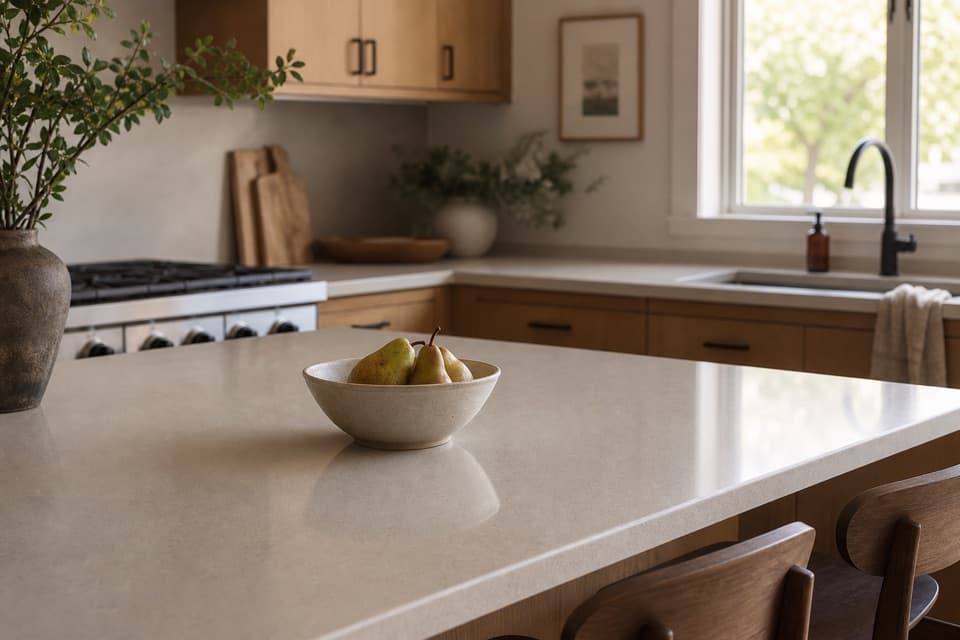
Problems example
Example condition context for cleaning-method selection.
What This Is
Why surfaces streak after cleaning is explained by uneven film thickness during drying: thicker wet zones dry slower and deposit more residue at their borders.
Why It Happens
Tools redistribute soil when they saturate; water hardness precipitates at evaporation fronts; vertical surfaces channel runs that set into lines.
What People Do Wrong
People blame the surface type first; they change brands repeatedly without changing volume, towel cadence, or rinse discipline.
Professional Method
Standardize dilution, reduce total liquid, add a rinse or dry-finishing step, and measure improvement by repeating the same lighting check each time.
Data and Benchmarks
Streak count should fall monotonically as pickup quality rises; if not, suspect water quality or incompatible chemistry.
Professional Insights
Teaching crews to 'chase the dry edge' on glass and floors prevents the classic arc-and-tail pattern.
When to Call a Professional
Call a professional when properties need SOP writing, water treatment, or equipment upgrades for large-format glass or stone programs.
Related Topics
- [Streaking](/encyclopedia/problems/streaking)
- [Streaks on Black Fixtures](/encyclopedia/problems/streaks-on-black-fixtures)
- [Streaks on Glass](/encyclopedia/problems/streaks-on-glass)
- [Streaks on Mirrors](/encyclopedia/problems/streaks-on-mirrors)
- [Streaks on Stainless Steel](/encyclopedia/problems/streaks-on-stainless-steel)
- [Cloudy Glass vs Etched Glass](/encyclopedia/problems/cloudy-glass-vs-etched-glass)
- [Etching vs Residue on Glass](/encyclopedia/problems/etching-vs-residue-on-glass)
- [Limescale vs Hard Water Stains](/encyclopedia/problems/limescale-vs-hard-water-stains)