problems
Streaks on Stainless Steel
Directional metal streaks mean finish management: grain, pressure, and residue balance outrank brand obsession.
Problems example
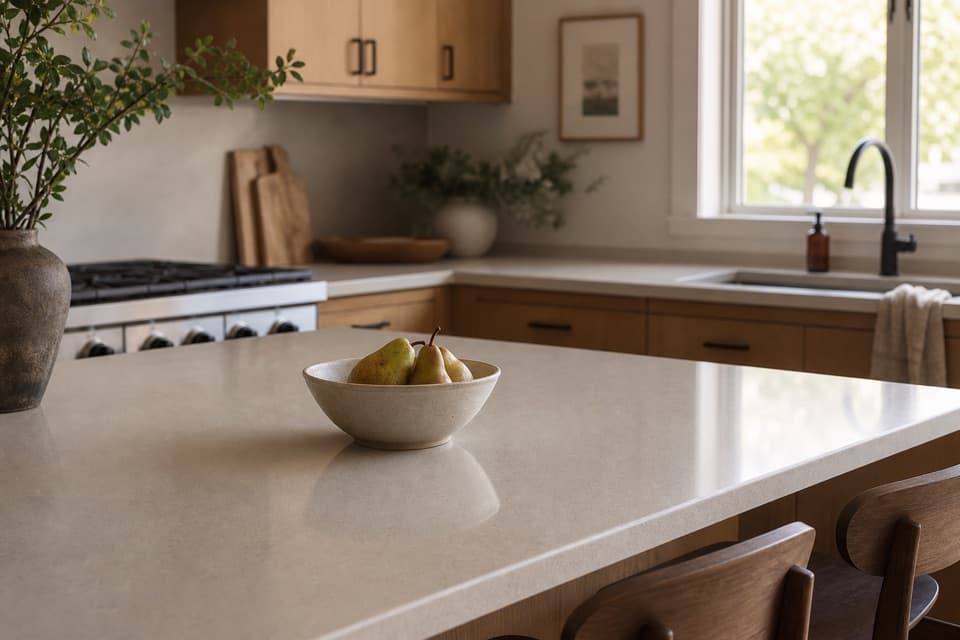
Example condition context for cleaning-method selection.
What This Is
Streaks on stainless steel are elongated dull or shiny bands that follow brushing direction, often alternating with clean lanes where towel contact differed.
Why It Happens
Excess liquid pools at horizontal seams and vertical mullions, drying last into dark lines mistaken for scratches.
What People Do Wrong
People change wipe direction mid-panel, use oily polishes on brushed grain, or cross-contaminate towels from stone or wood products.
Professional Method
Dry soil first, apply sparingly, long straight passes with the grain, fresh towel for final buff; treat edges as drip collection zones.
Data and Benchmarks
If streaks are rainbow-like, suspect thin oil or surfactant film rather than deep scratching.
Professional Insights
Handles and dispense zones need separate final buffs—they reintroduce oils after the panel looks done.
When to Call a Professional
Call a professional when commercial kitchens require food-safe documentation, or when specialty finishes prohibit consumer chemistry.
Related Topics
- [Streaks on Black Fixtures](/encyclopedia/problems/streaks-on-black-fixtures)
- [Streaks on Glass](/encyclopedia/problems/streaks-on-glass)
- [Streaks on Mirrors](/encyclopedia/problems/streaks-on-mirrors)
- [Why Surfaces Streak After Cleaning](/encyclopedia/problems/why-surfaces-streak-after-cleaning)
- [Streaking](/encyclopedia/problems/streaking)
- [Grease on Stainless Steel](/encyclopedia/problems/grease-on-stainless-steel)
- [Haze on Stainless Steel](/encyclopedia/problems/haze-on-stainless-steel)
- [Residue on Stainless Steel](/encyclopedia/problems/residue-on-stainless-steel)