problems
Streaks on Black Fixtures
Low-luminance finishes reveal every drying boundary; technique and lint control matter more than stronger chemistry.
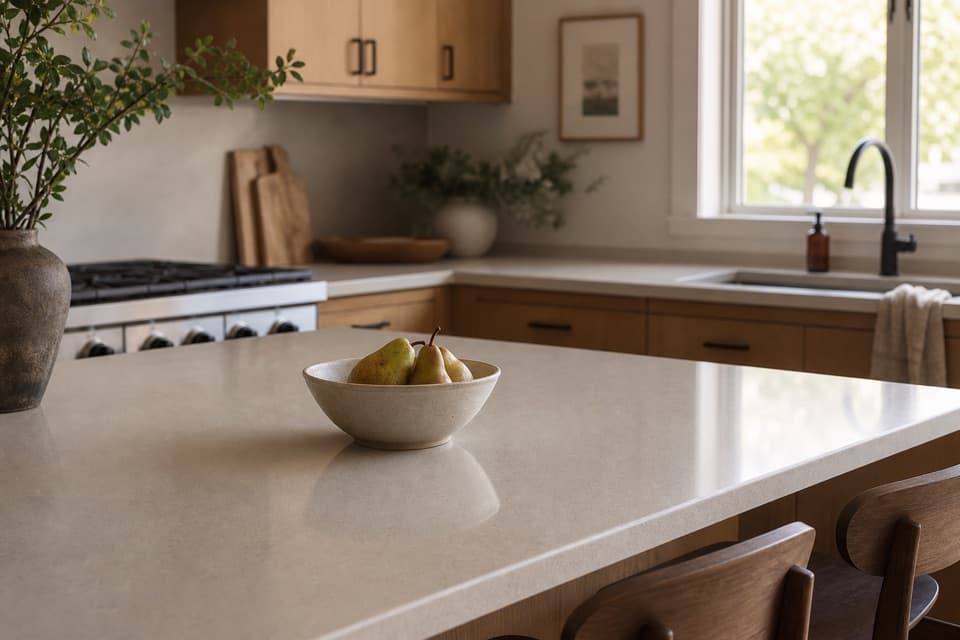
Problems example
Example condition context for cleaning-method selection.
What This Is
Streaks on black fixtures are high-visibility wipe marks on matte paint, PVD coatings, or powder coats where any residue changes specular response.
Why It Happens
Finger oils, wax detail sprays, and some disinfectants leave contrasty paths on micro-textured blacks.
What People Do Wrong
People over-wet near escutcheons, use fluffy towels that lint, or buff while drips are still running.
Professional Method
Use damp-not-wet towels, low-lint microfiber, frequent face changes, and a final dry pass in one direction; avoid petroleum-heavy polishes unless specified.
Data and Benchmarks
Under cabinet lighting makes streak geometry obvious—check lighting angle before declaring failure.
Professional Insights
If streaks follow only horizontal pulls, drips from the spout or handle are redepositing during the wipe.
When to Call a Professional
Call a professional when factory coatings are chipped to substrate, or when large matte black panels need controlled spot repair.
Related Topics
- [Streaks on Glass](/encyclopedia/problems/streaks-on-glass)
- [Streaks on Mirrors](/encyclopedia/problems/streaks-on-mirrors)
- [Streaks on Stainless Steel](/encyclopedia/problems/streaks-on-stainless-steel)
- [Why Surfaces Streak After Cleaning](/encyclopedia/problems/why-surfaces-streak-after-cleaning)
- [Streaking](/encyclopedia/problems/streaking)
- [Cloudy Glass vs Etched Glass](/encyclopedia/problems/cloudy-glass-vs-etched-glass)
- [Etching vs Residue on Glass](/encyclopedia/problems/etching-vs-residue-on-glass)
- [Limescale vs Hard Water Stains](/encyclopedia/problems/limescale-vs-hard-water-stains)