problems
Streaking
Streaking is the visible record of how liquid dried—surfactant edges, oils, minerals, or tool marks—not random bad luck.
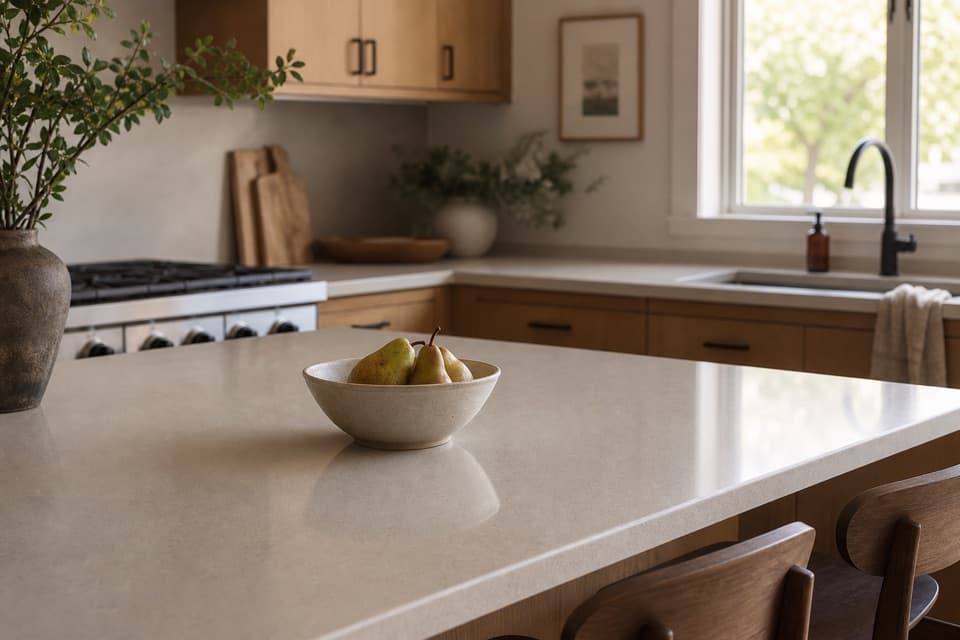
Problems example
Example condition context for cleaning-method selection.
What This Is
Streaking is patterned residue—lines, arcs, or tiger stripes—that tracks wiping direction, mop lanes, or squeegee edges after a surface dries.
Why It Happens
Evaporation concentrates solutes at boundaries; uneven pressure leaves thicker wet film in centers; dirty solution redeposits fines along the last path.
What People Do Wrong
People add speed before pickup quality, reuse a single wet towel across large areas, or work top-to-bottom without controlling drips on verticals.
Professional Method
Slow down pickup, use more dry towel faces, control product to a fine mist where appropriate, and finish verticals with a dry leading edge to catch runs.
Data and Benchmarks
Streak count often drops when water quality improves or when rinse steps are added between chemistry and final buff.
Professional Insights
Black fixtures and dark paint show streak geometry earlier than light surfaces—use them as training feedback, not panic signals.
When to Call a Professional
Call a professional when atrium glass, coated displays, or production facilities need pole tools and staged quality checks.
Related Topics
- [Why Surfaces Streak After Cleaning](/encyclopedia/problems/why-surfaces-streak-after-cleaning)
- [Streaks on Black Fixtures](/encyclopedia/problems/streaks-on-black-fixtures)
- [Streaks on Glass](/encyclopedia/problems/streaks-on-glass)
- [Streaks on Mirrors](/encyclopedia/problems/streaks-on-mirrors)
- [Streaks on Stainless Steel](/encyclopedia/problems/streaks-on-stainless-steel)
- [Cloudy Glass vs Etched Glass](/encyclopedia/problems/cloudy-glass-vs-etched-glass)
- [Etching vs Residue on Glass](/encyclopedia/problems/etching-vs-residue-on-glass)
- [Limescale vs Hard Water Stains](/encyclopedia/problems/limescale-vs-hard-water-stains)