Loading...
PROBLEMS
What are you seeing?
Start with the symptom, understand the likely cause, then choose a safer next step.
Identify
Name the residue, mark, odor, or damage pattern.
Understand
Separate cleaning problems from finish or moisture limits.
Solve
Escalate only when the surface can tolerate the method.
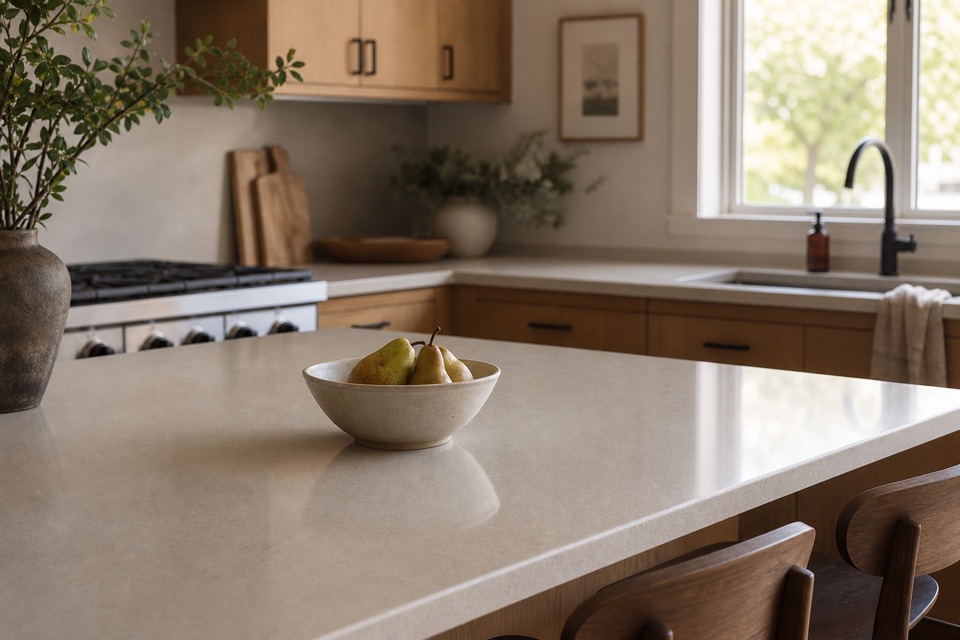
Diagnostic panel
The right answer starts by identifying whether a mark is removable soil, mineral residue, chemical damage, or a material limit.
Filters act like diagnosis shortcuts; broaden them when a symptom overlaps categories.
Diagnostic index
Problems by symptom and cause
107 results
Featured diagnosis
Adhesive residue
Adhesive residue: identification, method fit, and finish protection.
Diagnose this problemCause & symptom
Appliance buildup
Appliance buildup: identification, method fit, and finish protection.
Learn moreProblem
Bathroom buildup
Bathroom buildup: identification, method fit, and finish protection.
Learn moreProblem
Biofilm buildup
Biofilm buildup: identification, method fit, and finish protection.
Learn moreCause & symptom
Buildup on appliances
Buildup on appliances: identification, method fit, and finish protection.
Learn moreProblem
Burnt residue
Burnt residue: identification, method fit, and finish protection.
Learn moreProblem
Cabinet grime
Cabinet grime: identification, method fit, and finish protection.
Learn moreCause & symptom
Chrome water spots
Chrome water spots: identification, method fit, and finish protection.
Learn moreProblem
Cleaner Film on Countertops
Dull smears and rainbow sheen on counters are often polymer or surfactant films—not permanent etching—until proven otherwise.
Learn moreProblem
Cloudy glass
Cloudy glass: identification, method fit, and finish protection.
Learn moreCause & symptom
Cloudy Glass vs Etched Glass
Cloudiness can be film, scale, coating, or etch—different tools prove which.
Learn moreProblem
Cooked-on grease
Cooked-on grease: identification, method fit, and finish protection.
Learn moreProblem
Countertop residue
Countertop residue: identification, method fit, and finish protection.
Learn moreCause & symptom
Dark Grout After Cleaning
Grout that darkens as it dries usually signals wicking, leftover solution, or internal stain—not a spotless joint.
Learn moreProblem
Dirty Grout Lines
Dirty grout is usually soil in pores, stain, or failing seal—not always 'the wrong mop.'
Learn moreProblem
Discoloration on surfaces
Discoloration on surfaces: identification, method fit, and finish protection.
Learn moreCause & symptom
Dullness
Dullness: identification, method fit, and finish protection.
Learn moreProblem
Dust buildup
Dust buildup: identification, method fit, and finish protection.
Learn moreProblem
Dust on Baseboards
Baseboards are low laminar zones where fibers and pet hair accumulate in static bands.
Learn moreCause & symptom
Dust on Ceiling Fans
Fan blades fling balanced dust rings when started; clean before rotation spreads soil.
Learn moreProblem
Dust on Finished Wood
Wood shows dust in grain and pores; the goal is lift without micro-scratching the coating.
Learn moreProblem
Dust on Glass Surfaces
Glass dust combines with humidity into haze; dry removal first prevents mud streaks.
Learn moreCause & symptom
Dust Returning Quickly
Rapid dust return usually means filtration gaps, textile shedding, residue tack, or foot traffic lanes—not a mystery curse.
Learn moreProblem
Embedded General Soil
Embedded soil resists quick wipes; it needs suspension time and mechanical help matched to the finish.
Learn moreProblem
Etching on finishes
Etching on finishes: identification, method fit, and finish protection.
Learn moreCause & symptom
Etching on Shower Glass
Shower etching is common where scale cycles and strong acids repeat on warm glass.
Learn moreProblem
Etching vs Residue on Glass
Residue feels unfairly permanent; etching actually is—separate them before buying new doors.
Learn moreProblem
Exhaust hood film
Exhaust hood film: identification, method fit, and finish protection.
Learn moreCause & symptom
Film buildup
Film buildup: identification, method fit, and finish protection.
Learn moreProblem
Fingerprints and smudges
Fingerprints and smudges: identification, method fit, and finish protection.
Learn moreProblem
Finish scratches
Finish scratches: identification, method fit, and finish protection.
Learn moreCause & symptom
Floor buildup
Floor buildup: identification, method fit, and finish protection.
Learn moreProblem
Floor Residue After Mopping
Why floors look dull or tacky after mopping: concentrate films, incomplete pickup, and chemistry mismatched to the floor type.
Learn moreProblem
Floor residue buildup
Floor residue buildup: identification, method fit, and finish protection.
Learn moreCause & symptom
General soil
General soil: identification, method fit, and finish protection.
Learn moreProblem
General Soil Buildup
General soil is the everyday mix of oils, particulates, and biofilms that accumulates where people touch and walk.
Learn moreProblem
General Soil on Finished Wood
Wood floors scuff and dull from micro-grit; dry removal protects the coating.
Learn moreCause & symptom
General Soil on Grout
Grout soils by microporosity and meniscus wicking—surface color may lie about joint cleanliness.
Learn moreProblem
General Soil on Tile
Tile glaze releases soil readily; grout and texture determine whether the job reads 'done.'
Learn moreProblem
Glass cloudiness
Glass cloudiness: identification, method fit, and finish protection.
Learn moreCause & symptom
Glass Etching
True etching is physical glass damage—cleaning cannot restore clarity once the structure is altered.
Learn moreProblem
Grease buildup
Kitchen grease: degrease with label-safe chemistry, rinse, protect finishes.
Learn moreProblem
Grease on Backsplashes
Removing cooking grease from tile, stone, and composite backsplashes while protecting grout and sealers.
Learn moreCause & symptom
Grease on Kitchen Cabinets
Surface-specific guidance for grease on painted, laminate, and sealed wood kitchen cabinets near cooking zones.
Learn moreProblem
Grease on Stainless Steel
How grease behaves on brushed stainless appliances and how to remove it without streaking or grain damage.
Learn moreProblem
Grease on Walls Near the Stove
Addressing grease on painted drywall and trim adjacent to ranges without burnishing or lifting paint.
Learn moreCause & symptom
Greasy grime
Greasy grime: identification, method fit, and finish protection.
Learn moreProblem
Grime buildup
Grime buildup: identification, method fit, and finish protection.
Learn moreProblem
Hard water deposits
Hard water leaves mineral residue—dissolve with surface-safe acids, then rinse.
Learn moreCause & symptom
Hard Water Stains
Professional guide to identifying, removing, and preventing hard water stains on common household surfaces.
Learn moreProblem
Haze After Cleaning
When haze appears right after a clean pass, the process—product volume, towel, drying, or chemistry—is usually the culprit.
Learn moreProblem
Haze on Finished Wood
Wood finishes can cloud from oils, wax buildup, humidity reaction, or coating damage—treat causes, not symptoms.
Learn moreCause & symptom
Haze on Glass
Glass haze may be film, mineral, environmental particulate, or permanent etching—each needs a different response.
Learn moreProblem
Haze on Stainless Steel
Broad cloudy panels on stainless usually mean oils, surfactants, or heat tint—not always permanent damage.
Learn moreProblem
Haze on Tile Floors
Tile can look cloudy from grout efflorescence, wax, sealer failure, or cleaner film trapped in texture.
Learn moreCause & symptom
Heat damage marks
Heat damage marks: identification, method fit, and finish protection.
Learn moreProblem
Heavy Limescale Deposits
Heavy scale is layered and often bonded with soap films—expect staged reduction, not one magic wipe.
Learn moreProblem
Kitchen grease film
Kitchen grease film: identification, method fit, and finish protection.
Learn moreCause & symptom
Laundry odor
Laundry odor: identification, method fit, and finish protection.
Learn moreProblem
Light film buildup
Light film buildup: identification, method fit, and finish protection.
Learn moreProblem
Light mildew appearance
Light mildew appearance: identification, method fit, and finish protection.
Learn moreCause & symptom
Limescale buildup
Limescale buildup: identification, method fit, and finish protection.
Learn moreProblem
Limescale on Fixtures
Fixtures accumulate at laminar edges—aerators, bases, and drains—where evaporation concentrates minerals.
Learn moreProblem
Limescale on Shower Glass
Shower glass combines limescale with soap scum; sequencing chemistry avoids cemented messes.
Learn moreCause & symptom
Limescale on Tile
Tile glaze may stay clean while grout shoulders grow white mineral caps—target each zone.
Learn moreProblem
Limescale vs Hard Water Stains
Language overlaps; operators separate mineral type, thickness, and substrate sensitivity before picking chemistry.
Learn moreProblem
Metal tarnish
Metal tarnish: identification, method fit, and finish protection.
Learn moreCause & symptom
Mineral film
Mineral film: identification, method fit, and finish protection.
Learn moreProblem
Mirror haze
Mirror haze: identification, method fit, and finish protection.
Learn moreProblem
Mold growth
Mold growth: identification, method fit, and finish protection.
Learn moreCause & symptom
Musty odor
Musty odor: identification, method fit, and finish protection.
Learn moreProblem
Odor retention
Odor retention: identification, method fit, and finish protection.
Learn moreProblem
Organic stains
Organic stains: identification, method fit, and finish protection.
Learn moreCause & symptom
Oxidation / tarnish
Oxidation / tarnish: identification, method fit, and finish protection.
Learn moreProblem
Permanent Glass Damage from Hard Water
Minerals can bond long enough to damage glass; early intervention prevents costly panel outcomes.
Learn moreProblem
Plastic yellowing
Plastic yellowing: identification, method fit, and finish protection.
Learn moreCause & symptom
Polymerized Grease Residue
Recognizing heat-cured grease films that resist quick wipes and require controlled chemistry and dwell—not just more pressure.
Learn moreProblem
Product residue buildup
Product residue buildup: identification, method fit, and finish protection.
Learn moreProblem
Residue buildup
Residue buildup: identification, method fit, and finish protection.
Learn moreCause & symptom
Residue on Glass Surfaces
Glass makes surfactant streaks obvious; separating film from etching and from hard water is the first diagnostic step.
Learn moreProblem
Residue on Stainless Steel
Stainless shows every directional wipe; cleaner oils and surfactants often masquerade as permanent water spots.
Learn moreProblem
Scuff marks
Scuff marks: identification, method fit, and finish protection.
Learn moreCause & symptom
Sink ring stains
Sink ring stains: identification, method fit, and finish protection.
Learn moreProblem
Smudge marks
Smudge marks: identification, method fit, and finish protection.
Learn moreProblem
Soap film (light mineral + surfactant haze)
Soap film (light mineral + surfactant haze): identification, method fit, and finish protection.
Learn moreCause & symptom
Soap scum
Soap scum is a grabby bathroom film from soap, minerals, and oils—remove it with the right cleaner order, not guesswork.
Learn moreProblem
Soap Scum Removal
Professional guide to understanding, removing, and preventing soap scum on bathroom surfaces.
Learn moreProblem
Sticky film
Sticky film: identification, method fit, and finish protection.
Learn moreCause & symptom
Sticky Floors After Cleaning
Sticky floors usually signal leftover cleaner, sugar soils, or incompatible products—not that you need more detergent.
Learn moreProblem
Streaking
Streaking is the visible record of how liquid dried—surfactant edges, oils, minerals, or tool marks—not random bad luck.
Learn moreProblem
Streaking (non-glass surfaces)
Streaking (non-glass surfaces): identification, method fit, and finish protection.
Learn moreCause & symptom
Streaking on glass
Streaking on glass: identification, method fit, and finish protection.
Learn moreProblem
Streaks on Black Fixtures
Low-luminance finishes reveal every drying boundary; technique and lint control matter more than stronger chemistry.
Learn moreProblem
Streaks on Glass
Glass streaks are almost always drying artifacts—optimize volume, towel discipline, and water purity before chasing exotic causes.
Learn moreCause & symptom
Streaks on Mirrors
Mirrors amplify edge drying; backs can fail from moisture intrusion—keep liquid away from bevels and frames.
Learn moreProblem
Streaks on Stainless Steel
Directional metal streaks mean finish management: grain, pressure, and residue balance outrank brand obsession.
Learn moreProblem
Stuck-on residue
Stuck-on residue: identification, method fit, and finish protection.
Learn moreCause & symptom
Surface dullness
Surface dullness: identification, method fit, and finish protection.
Learn moreProblem
Surface haze
Surface haze: identification, method fit, and finish protection.
Learn moreProblem
Touchpoint contamination
Touchpoint contamination: identification, method fit, and finish protection.
Learn moreCause & symptom
Tracked-In Soil on Floors
Most floor soil walks in; mats, shoes, and first-ten-feet strategy matter as much as mop choice.
Learn moreProblem
Uneven finish
Uneven finish: identification, method fit, and finish protection.
Learn moreProblem
Water spots
Water spots: identification, method fit, and finish protection.
Learn moreCause & symptom
Water spotting (evaporation film)
Water spotting (evaporation film): identification, method fit, and finish protection.
Learn moreProblem
When Glass Cannot Be Restored by Cleaning
Knowing the stop point protects money, warranties, and safety glass integrity.
Learn moreProblem
Why Surfaces Streak After Cleaning
Streaking is physics and process: where liquid last stood is where solutes concentrate when it leaves.
Learn moreCause & symptom
Yellowing / discoloration
Yellowing / discoloration: identification, method fit, and finish protection.
Learn moreSurface-First
Define the finish before choosing chemistry.
Test First
When unsure, validate on an inconspicuous area.
Gentle Approach
Start mild and escalate with intention—not impulse.
Know When to Stop
Persistent symptoms may signal moisture or finish limits.
Core guides
Compare problems — structured “vs” pages from the authority graph.