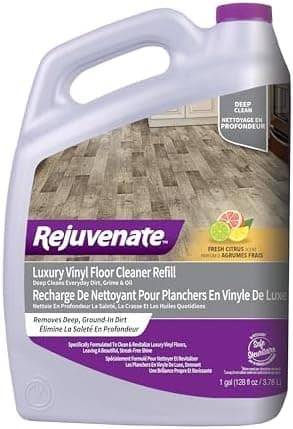
Best way to remove it
Reset residue first with neutral cleaning and dry inspection. If sheen returns while wet but disappears dry, inspect for haze, etch, wear, or coating failure.
- Preserve the finish: maintenance cleaning is not restoration.
Cleaning problem
Surface dullness: identification, method fit, and finish protection.
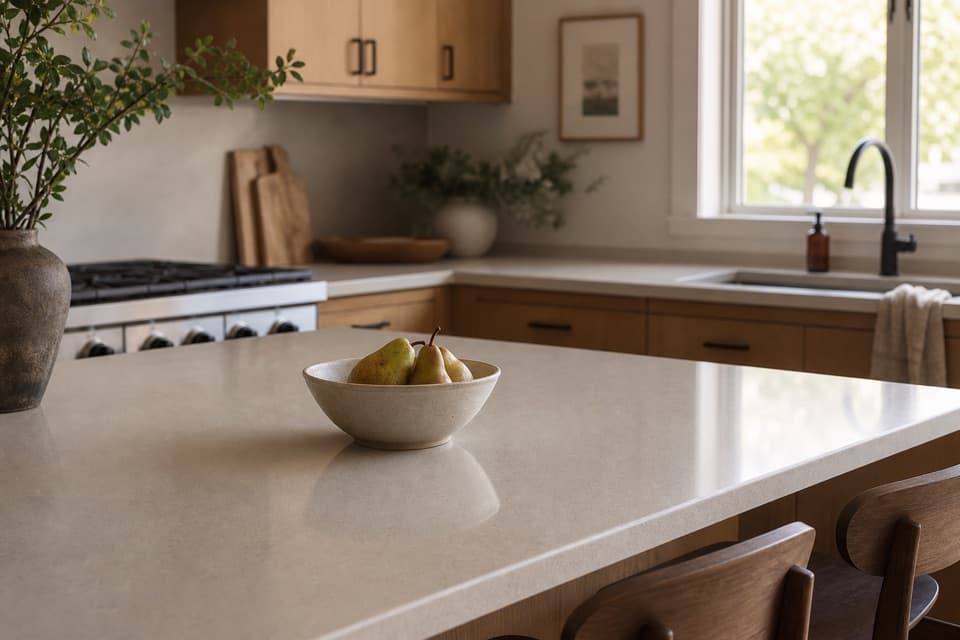
Problems example
Example condition context for cleaning-method selection.
Reset residue first with neutral cleaning and dry inspection. If sheen returns while wet but disappears dry, inspect for haze, etch, wear, or coating failure.
Dullness develops from film stacking, abrasive pads, acidic or alkaline misuse, repeated traffic lanes, UV, heat, or worn coatings.
Floors and counters often show dullness where maintenance frequency does not match use intensity.
Recurrence timeline: dullness that returns right after drying is usually film; dullness that returns in traffic paths over days or weeks is maintenance-cycle mismatch; dullness that stays fixed is wear, etch, coating failure, or finish loss.
Delayed damage often appears after repeated acid, alkaline, abrasive, steam, or polish misuse. The surface may look clean but lose reflectivity because the finish, not the soil, has changed.
Most people don't need anything aggressive here.
Start with a balanced cleaner and adjust if needed.
Most cases can be solved with the right method alone. Use a product when buildup needs extra help.
Some product links may be affiliate links. This does not affect how products are evaluated or recommended.
If dullness remains fixed after residue removal, it is likely wear, etch, or finish change. More cleaning can widen the damaged area.
Warning signs include dullness locked to traffic lanes, expanding matte patches after scrubbing, shine that only appears while wet, or uneven gloss after polish.
Escalate when dullness remains after residue reset, follows acid/abrasive history, affects stone or wood, appears in commercial traffic lanes, or requires restoration rather than cleaning.
Surface dullness is treated as surface-damage risk in the authority system, which helps determine how it should be approached and what risks matter most.
Surface dullness is linked in the graph to surfaces such as finished wood, although the exact pattern depends on use, moisture, chemistry, and maintenance history.
Neutral surface cleaning is one of the methods connected to surface dullness in the cleaning graph. The correct choice still depends on surface compatibility and severity.
Surface dullness often returns when the contamination type was misread, the surface was not fully finished, residue was left behind, or the underlying source of the problem was not addressed.
Only when that exact method–surface–problem triangle exists in the authority graph and the label allows it. If either relationship is missing, treat it as untested for your finish and read manufacturer guidance.
Mixing can create fumes, neutralize active ingredients, or leave unpredictable residue. Use one chemistry pass, rinse when switching families, ventilate, and follow label do-not-mix warnings.
Live top library picks for this problem on each surface (up to three when the lead pick is a clear choice for that pairing)—the same picks you see on playbooks and product pages.
Some product links may be affiliate links. This does not affect how products are evaluated or recommended.
These picks come from the same recommendation engine as the product library—paired to real surface dullness scenarios. Open the playbook link for the full surface + problem context.
Ranked for dullness on granite.
These products are selected based on what actually works for the problem, surface, and cleaning goal.
Start with Start here, then use the other picks for heavier buildup, maintenance, or a stronger option.
Best balance of cleaning power, surface safety, and everyday usability.
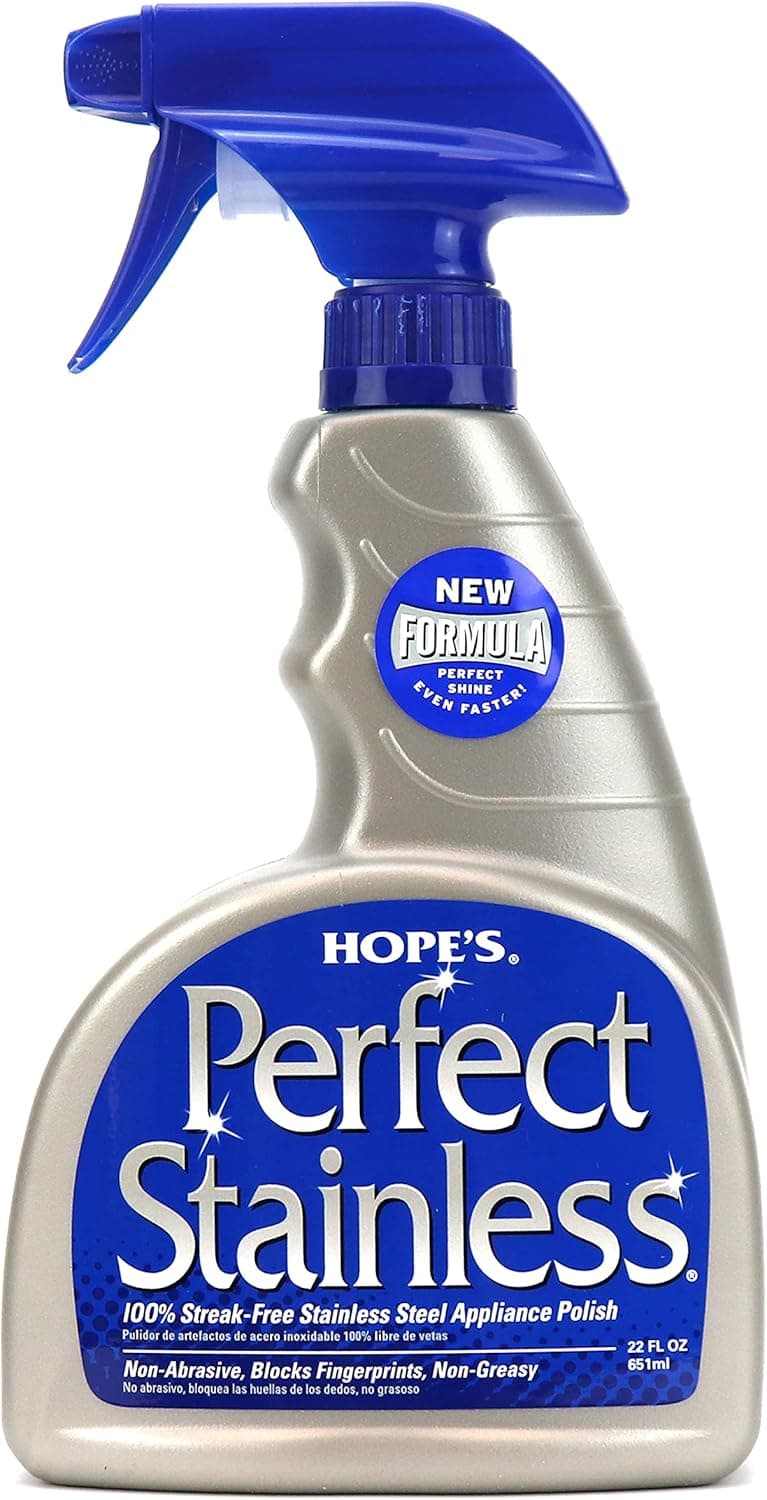
HOPE'S
Professional-use context: Routine cleaning aligned to the labeled surfaces and problems.
Use with extra label care here—tradeoffs or limits matter more for this pairing.
Ranks #3 here—Granite Gold Daily Cleaner leads for this problem on this surface.
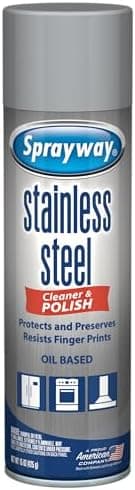
Sprayway
Professional-use context: Routine cleaning aligned to the labeled surfaces and problems.
Use with extra label care here—tradeoffs or limits matter more for this pairing.
Ranks #4 here—Granite Gold Daily Cleaner leads for this problem on this surface.
Compare with Therapy Stainless Steel Cleaner & Polish →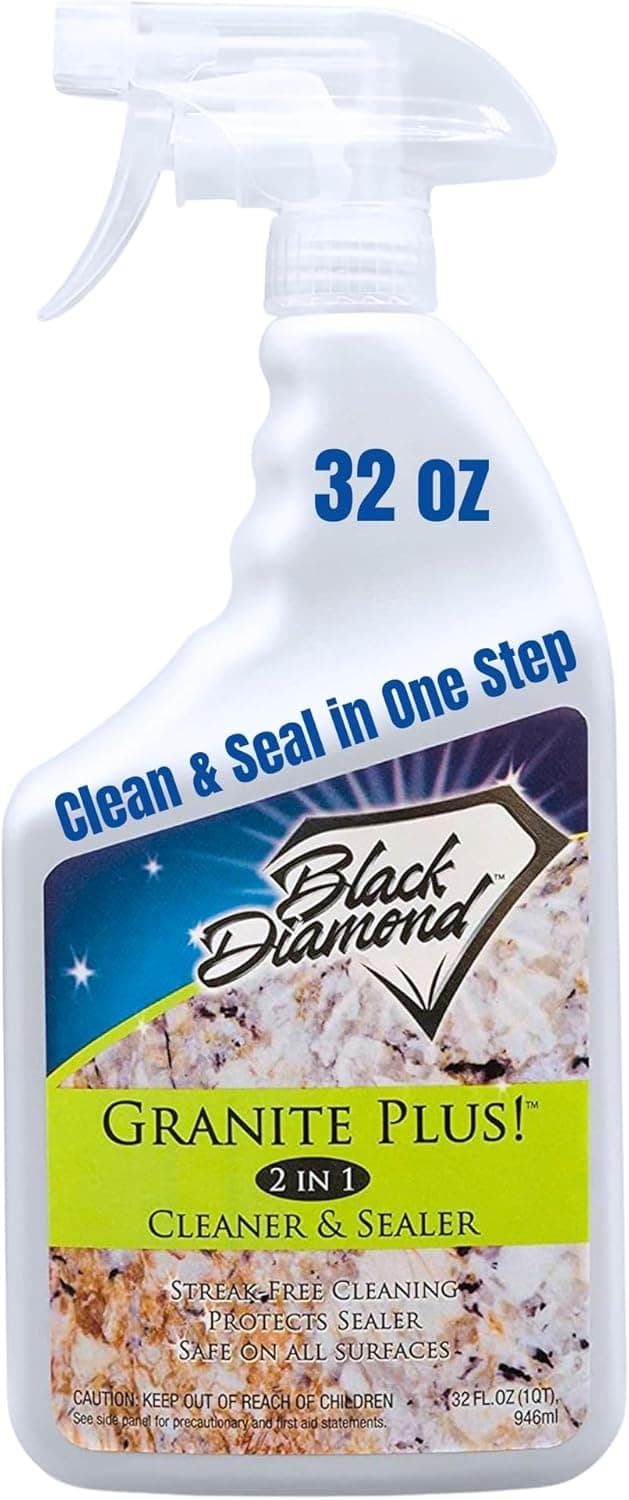
Granite Gold
Professional-use context: Routine cleaning aligned to the labeled surfaces and problems.
A solid option—double-check labels because fit is stronger in some dimensions than others.
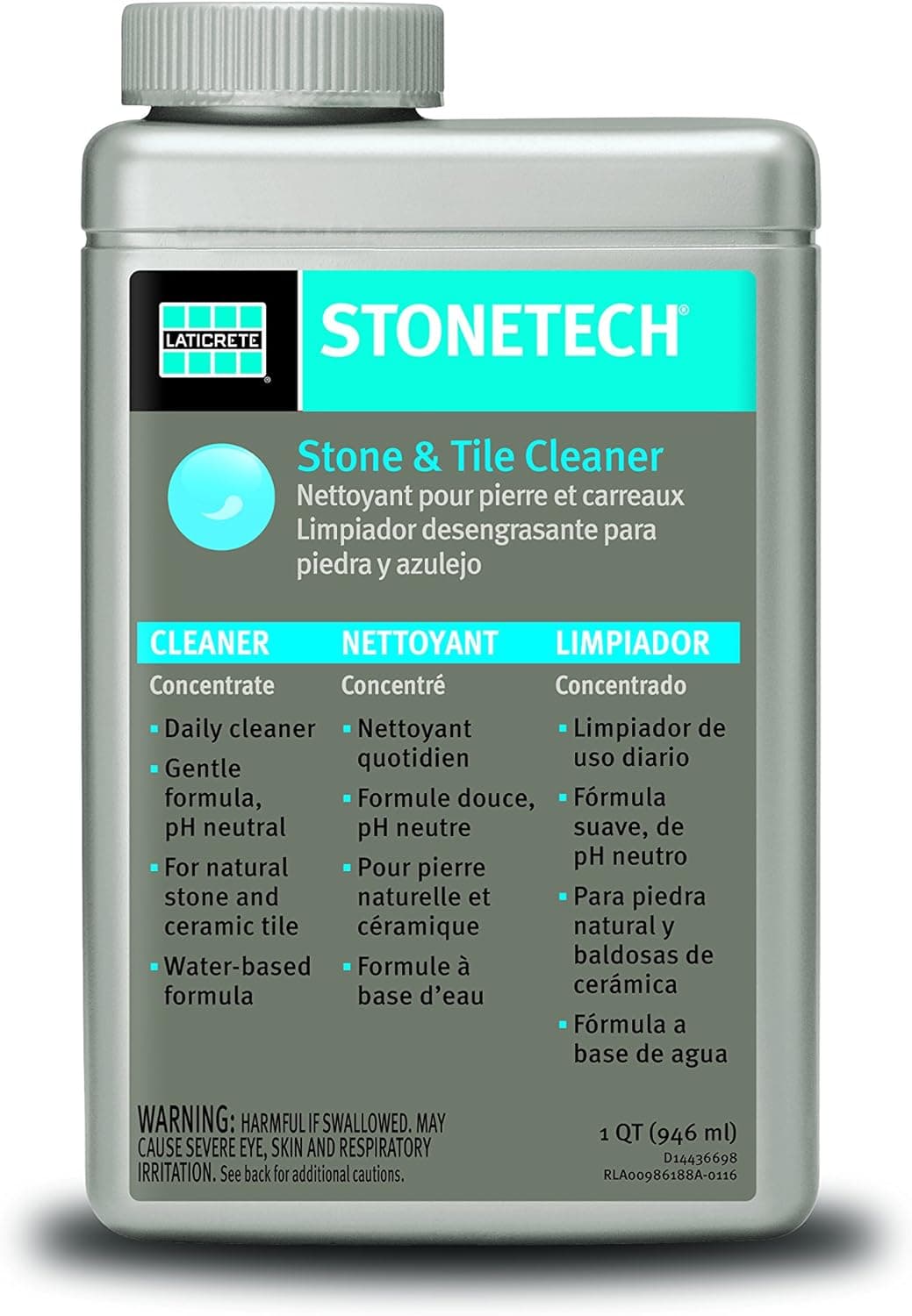
StoneTech
Professional-use context: Routine cleaning aligned to the labeled surfaces and problems.
A solid option—double-check labels because fit is stronger in some dimensions than others.
Ranks #2 here—Granite Gold Daily Cleaner leads for this problem on this surface.
Some product links may be affiliate links. This does not affect how products are evaluated or recommended.
Head-to-head dossier pages use the same picks as recommendations—useful when two bottles look interchangeable but sit in different chemistry lanes.
Comparisons, nearby problems, and top-ranked products tied to this hub.
Some product links may be affiliate links. This does not affect how products are evaluated or recommended.
Product comparisons
Top products
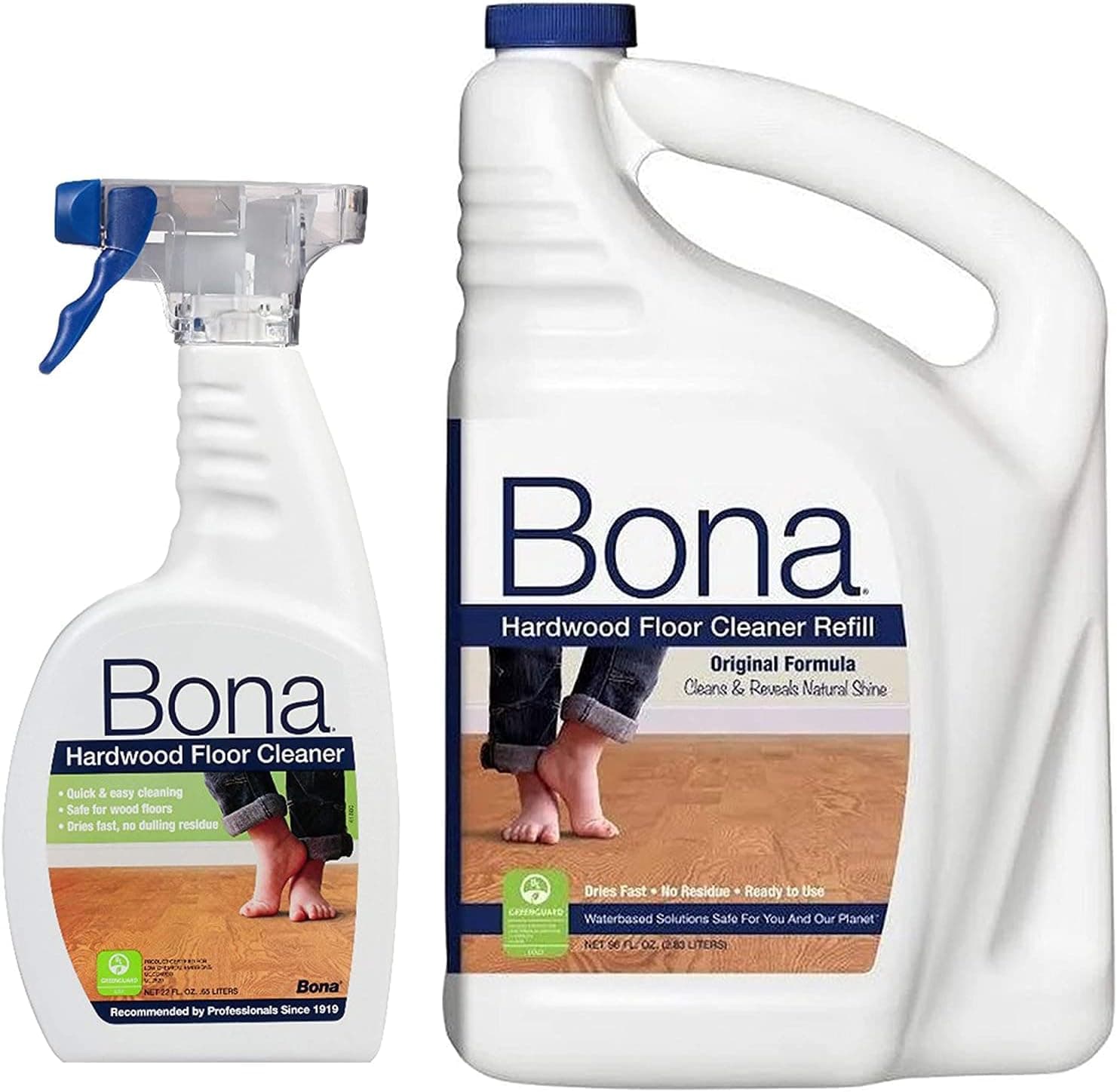
Used for: floor residue · dust buildup · dullness
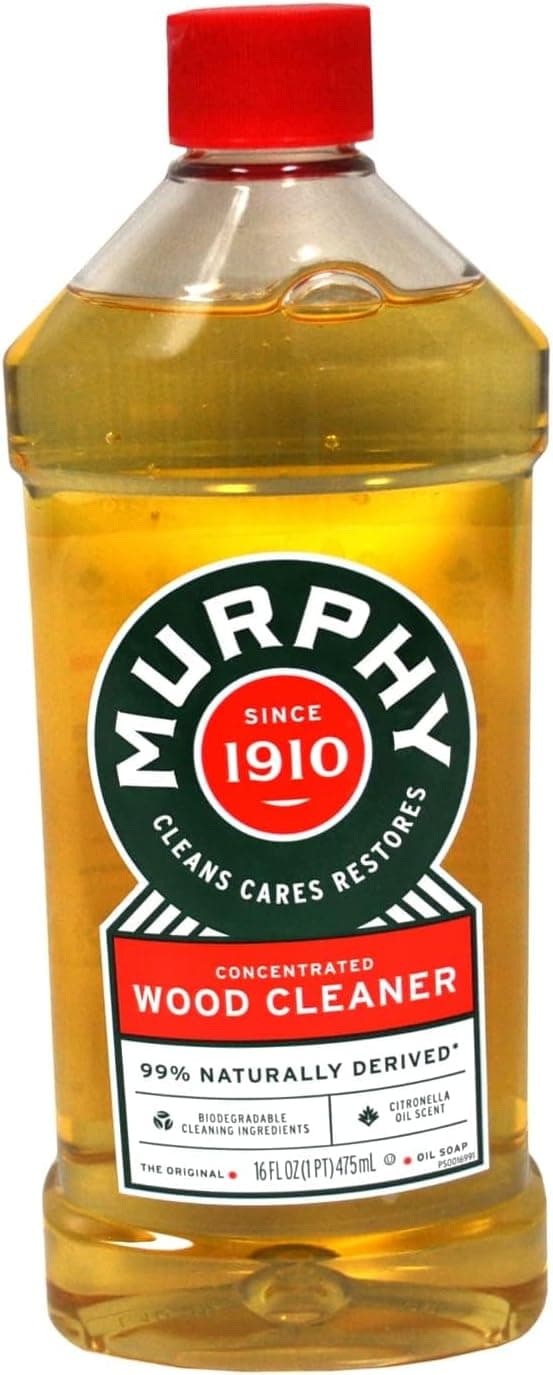
Used for: floor residue · dust buildup · dullness
Used for: dust buildup · dullness · soap residue
Used for: dust buildup · dullness · soap residue
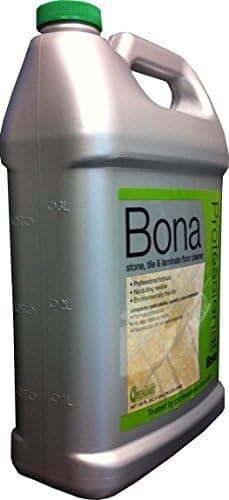
Used for: floor residue · dust buildup · dullness
Neutral surface cleaning guidance for surface dullness.
Surface dullness guidance on finished wood.
Surface dullness guidance on granite countertops.
Surface dullness guidance on hardwood.
Surface dullness guidance on natural stone.
Surface dullness guidance on quartz countertops.
Surface dullness guidance on sealed surfaces.
Understand mismatch patterns before escalating chemistry.
Label-first rules, ventilation, and mixing cautions.
SKU comparisons on overlapping scenarios.
When entire method families diverge in risk and fit.
Disambiguate look-alike contamination types.