Loading...
Anti-pattern guide
Why bleach isn’t a universal cleaner
Bleach can be appropriate for specific labeled workflows, but it is not a universal degreaser, descaler, or odor chemistry. Mixing hazards and finish damage risk rise quickly when bleach becomes the default.
Key takeaway
Bleach can be appropriate for specific labeled workflows, but it is not a universal degreaser, descaler, or odor chemistry. Mixing hazards and finish damage risk rise quickly when bleach becomes the default.
Key takeaway
Bleach can be appropriate for specific labeled workflows, but it is not a universal degreaser, descaler, or odor chemistry. Mixing hazards and finish damage risk rise quickly when bleach becomes the default.
Why it fails
Bleach does not replace surfactant cleaning for oils, and it is incompatible with acids and many other common cleaners.
What actually works
Pick the problem type first: grease vs mineral vs biological vs residue.
Use these instead
Ranked for organic stains on baseboards.
Context: These recommendations focus on what to use instead for this problem.
These products are selected based on what actually works for the problem, surface, and cleaning goal.
Start with Start here, then use the other picks for heavier buildup, maintenance, or a stronger option.
Start hereTop pick
Best balance of cleaning power, surface safety, and everyday usability.
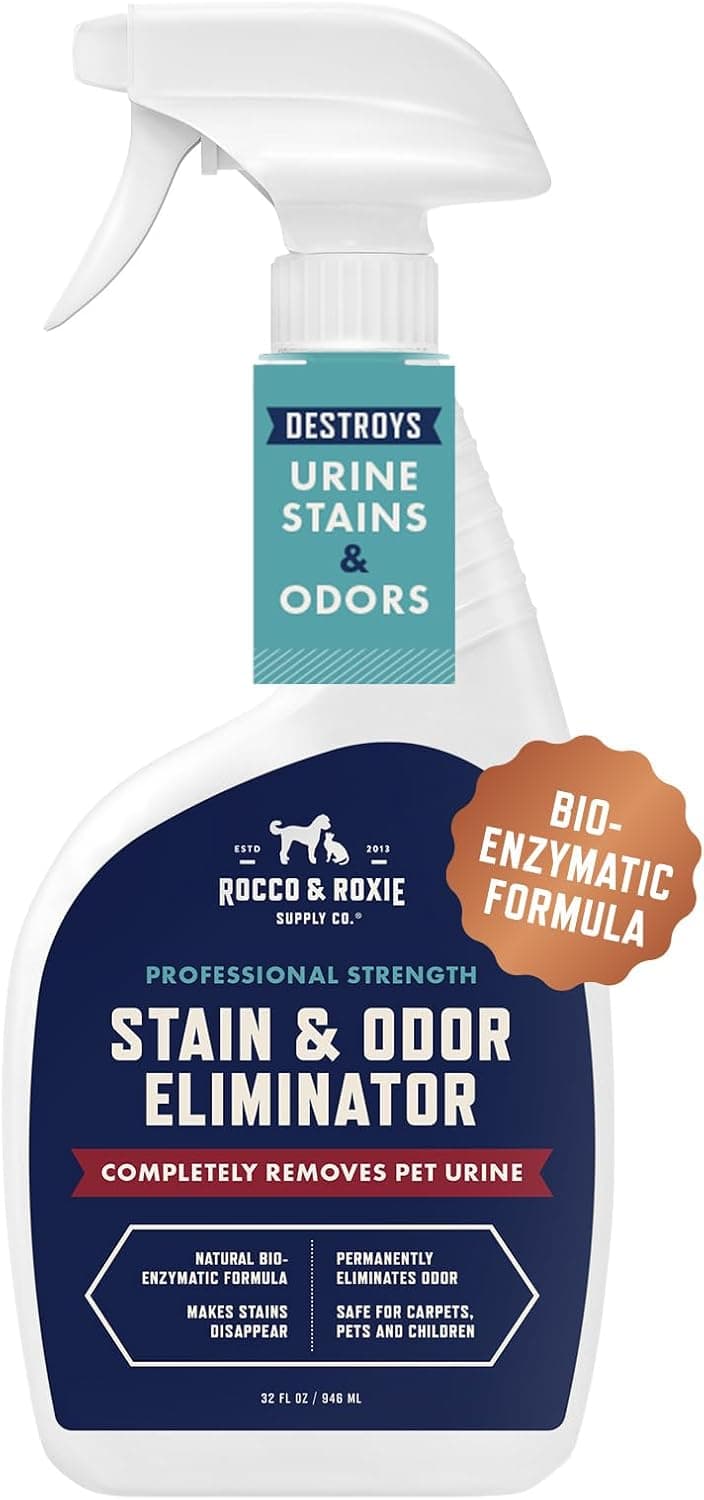
Rocco & Roxie Stain & Odor Eliminator
Rocco & Roxie Supply Co.
Compatibility reference: 8.3Fit: Situational
Professional-use context: Organic staining and many discoloration film cases where oxidation/bleach is appropriate.
Score: 8
Fit: Situational
Use with extra label care here—tradeoffs or limits matter more for this pairing.
• Tagged for “organic stains” in the product library
For heavier buildup
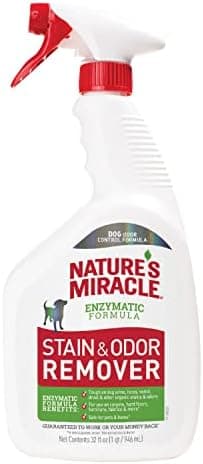
Nature's Miracle Stain & Odor Remover
Nature's Miracle
Compatibility reference: 8.3Fit: Situational
Professional-use context: Organic staining and many discoloration film cases where oxidation/bleach is appropriate.
Score: 8
Fit: Situational
Use with extra label care here—tradeoffs or limits matter more for this pairing.
• Tagged for “organic stains” in the product library
Ranks #2 here—Rocco & Roxie Stain & Odor Eliminator leads for this problem on this surface.
Compare with Biokleen Bac-Out Stain + Odor Remover →For maintenance
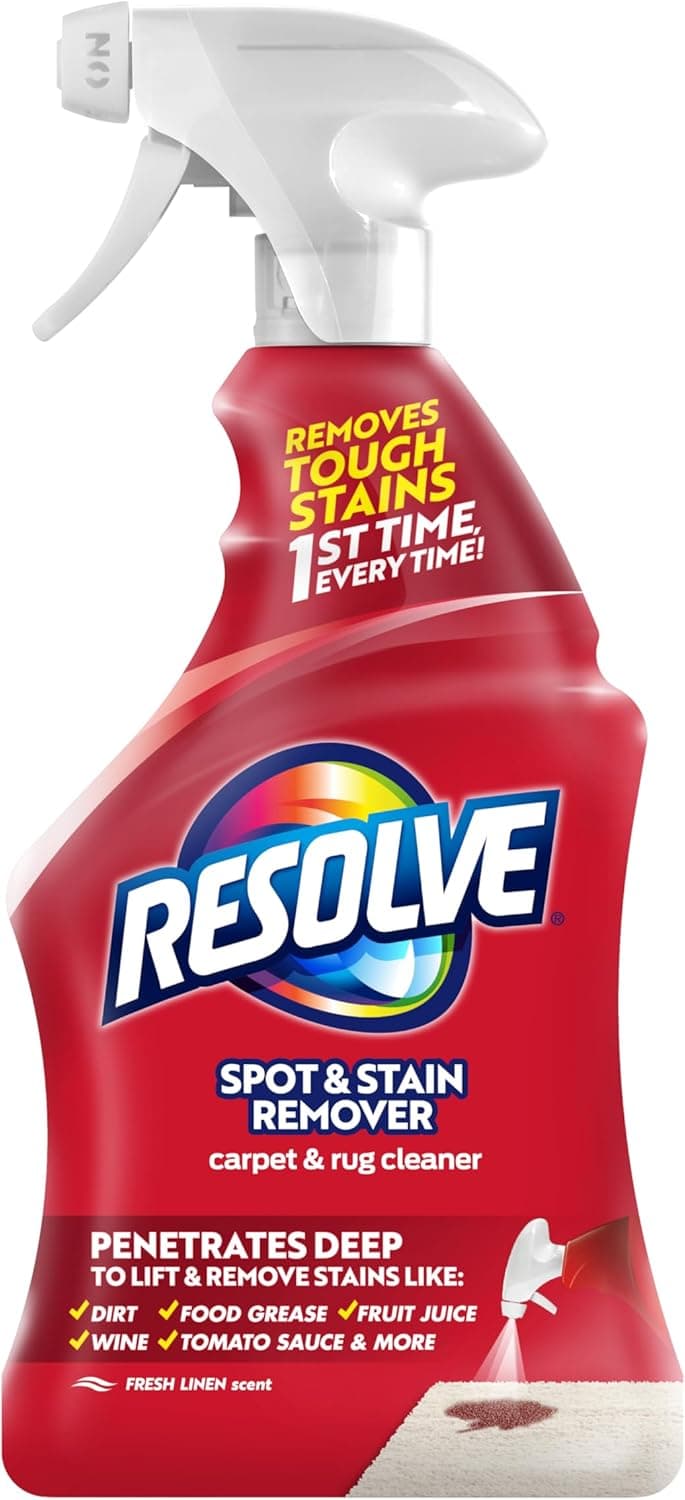
Folex Instant Carpet Spot Remover
Folex
Compatibility reference: 7.6Fit: Situational
Professional-use context: Kitchen oils, fingerprints, and organic films on hard surfaces.
Score: 8
Fit: Situational
Use with extra label care here—tradeoffs or limits matter more for this pairing.
• Tagged for “organic stains” in the product library
Caution: Situational pick here—double-check label fit for this surface and soil
Ranks #4 here—Rocco & Roxie Stain & Odor Eliminator leads for this problem on this surface.
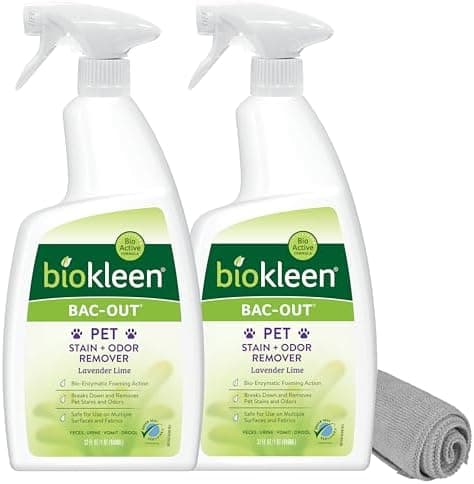
Biokleen Bac-Out Stain + Odor Remover
Biokleen
Compatibility reference: 8.3Fit: Situational
Professional-use context: Organic staining and many discoloration film cases where oxidation/bleach is appropriate.
Score: 8
Fit: Situational
Use with extra label care here—tradeoffs or limits matter more for this pairing.
• Tagged for “organic stains” in the product library
Ranks #3 here—Rocco & Roxie Stain & Odor Eliminator leads for this problem on this surface.
Compare with Rocco & Roxie Stain & Odor Eliminator →Some product links may be affiliate links. This does not affect how products are evaluated or recommended.
Related methods
Related surfaces
Related problems
See also
Related methods
Related surfaces
Related problems
Surface-First
Test First
Gentle Approach
Know When to Stop