Before you clean
- Check whether the area dries fully between uses. A surface that stays damp for hours after cleaning is already set up to rebuild mildew even when the visible film is removed.
Cleaning problem
A thin biofilm on damp bathroom surfaces—usually surface-level, not the same as heavy mold growth.
Problems example
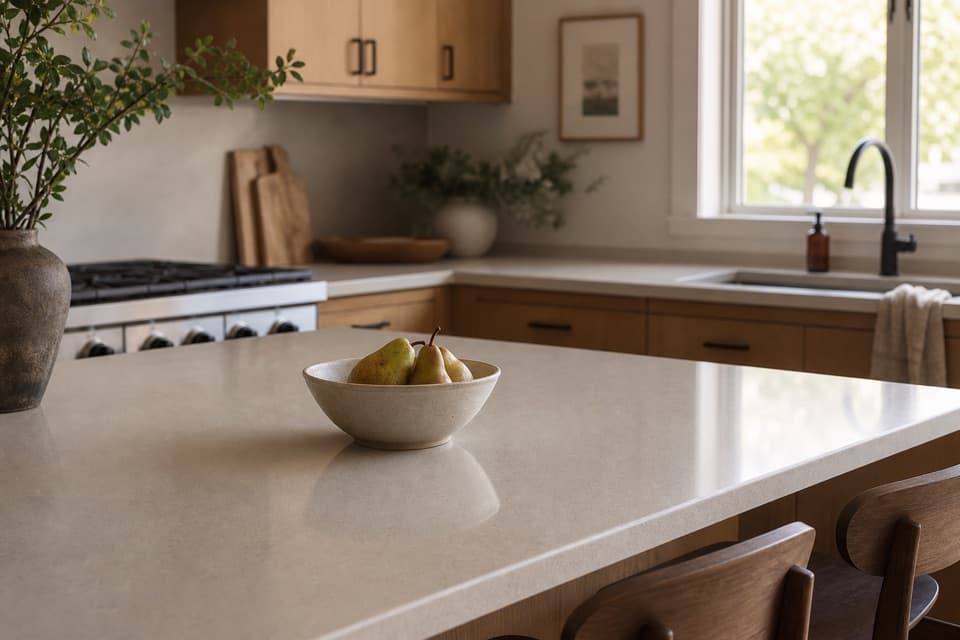
Example condition context for cleaning-method selection.
Humidity, poor exhaust, slow-drying joints, organic residue, and repeated wet-dry cycles let surface biology establish.
If moisture remains, wiping the visible film only resets the clock; it does not break the recurrence cycle.
Recurrence timeline: film returning within days means the surface is staying wet; return over 1-2 weeks usually means ventilation and dry-down are below the room's use rate; staining that remains after cleaning may be pigment left behind rather than active mildew.
Humidity, closed doors, weak exhaust fans, slow drains, failed caulk, wet bath mats, and soap film all create the recurring habitat.
Most people don't need anything aggressive here.
Start with a balanced cleaner and adjust if needed.
Start with the strongest recommended option for this problem.
Most cases can be solved with the right method alone. Use a product when buildup needs extra help.
Some product links may be affiliate links. This does not affect how products are evaluated or recommended.
If it returns quickly in the same location, the moisture condition remains. If staining remains after film removal, the issue may be pigment, caulk staining, or deeper growth rather than removable surface mildew.
Warning signs include return in the same corner, musty odor, spreading from caulk into grout, soft or cracked sealant, or darkening that survives surface cleaning. That is a moisture pattern, not a simple wipe failure.
Escalate when mildew returns within days, spreads beyond caulk or grout edges, appears with musty odor, involves porous material, or points to ventilation, leak, or hidden moisture rather than surface soil.
Light mildew appearance is treated as biological contamination in the authority system, which helps determine how it should be approached and what risks matter most.
Light mildew appearance is linked in the graph to surfaces such as grout, although the exact pattern depends on use, moisture, chemistry, and maintenance history.
Neutral surface cleaning is one of the methods connected to light mildew appearance in the cleaning graph. The correct choice still depends on surface compatibility and severity.
Light mildew appearance often returns when the contamination type was misread, the surface was not fully finished, residue was left behind, or the underlying source of the problem was not addressed.
Only when that exact method–surface–problem triangle exists in the authority graph and the label allows it. If either relationship is missing, treat it as untested for your finish and read manufacturer guidance.
Mixing can create fumes, neutralize active ingredients, or leave unpredictable residue. Use one chemistry pass, rinse when switching families, ventilate, and follow label do-not-mix warnings.
Live top library picks for this problem on each surface (up to three when the lead pick is a clear choice for that pairing)—the same picks you see on playbooks and product pages.
Some product links may be affiliate links. This does not affect how products are evaluated or recommended.
These picks come from the same recommendation engine as the product library—paired to real light mildew appearance scenarios. Open the playbook link for the full surface + problem context.
Not sure what to use? Recommendations are based on how the problem actually works.
Head-to-head dossier pages use the same picks as recommendations—useful when two bottles look interchangeable but sit in different chemistry lanes.
Comparisons, nearby problems, and top-ranked products tied to this hub.
Some product links may be affiliate links. This does not affect how products are evaluated or recommended.
Product comparisons
Related problems
Top products
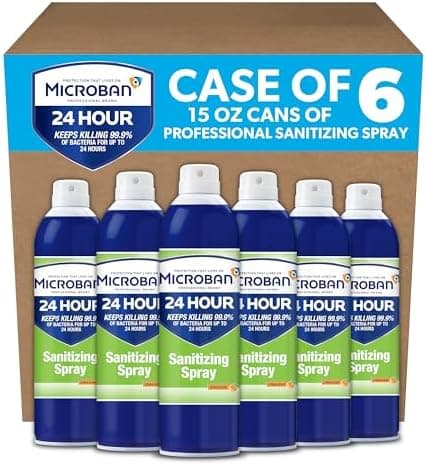
Used for: bacteria buildup · mold growth · disinfection
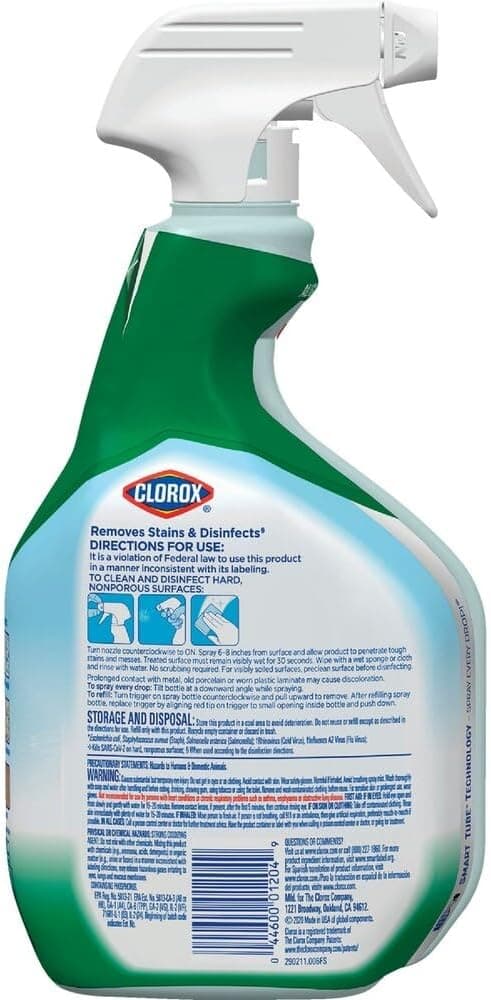
Used for: bacteria buildup · mold growth · disinfection
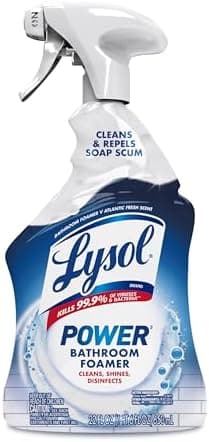
Used for: soap scum · soap residue · mildew stains
Related surfaces
Neutral surface cleaning guidance for light mildew appearance.
Soap scum removal guidance for light mildew appearance.
Light mildew appearance guidance on grout.
Light mildew appearance guidance on shower glass.
Light mildew appearance guidance on tile.
Separate bath films, minerals, and biological growth so you do not acid-wash the wrong surface or confuse disinfection with soil removal.
Understand mismatch patterns before escalating chemistry.
Label-first rules, ventilation, and mixing cautions.
SKU comparisons on overlapping scenarios.
When entire method families diverge in risk and fit.
Disambiguate look-alike contamination types.