surfaces
Cleaning Tile Surfaces
Professional guidance for cleaning tile safely and effectively while matching chemistry and agitation to the actual soil type.
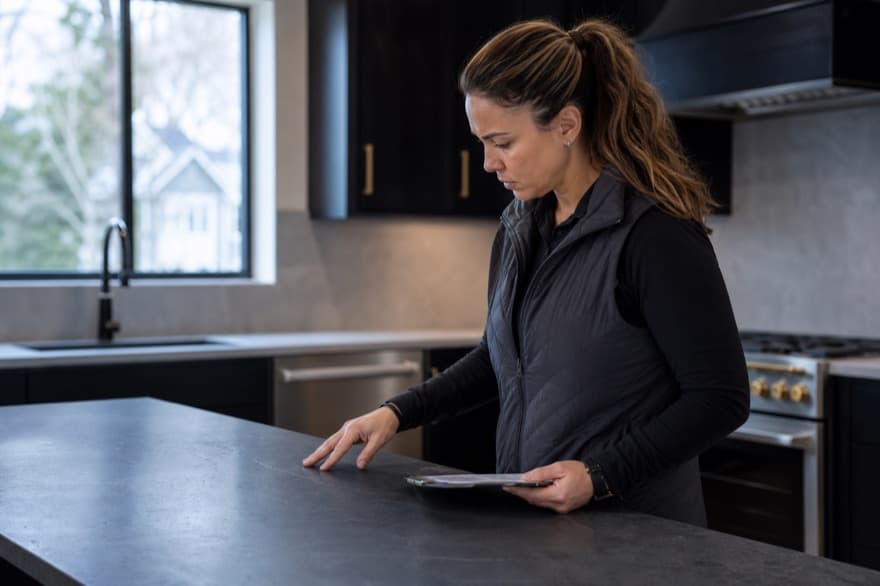
Surfaces example
Example surface context for care and compatibility guidance.
What This Is
Tile surfaces vary widely in finish, porosity, location, and soil exposure. Effective tile cleaning requires identifying both the tile type and the actual residue present before selecting method and chemistry.
Why It Happens
Tile collects routine dust, grease, soap residue, hard water deposits, and tracked-in soil depending on location. Bathrooms, kitchens, and floors create very different cleaning conditions even when the material category is similar.
What People Do Wrong
People use one cleaner for every tile situation, ignore grout interaction, or scrub too aggressively without first matching chemistry to the soil. They also leave residue behind by failing to rinse or dry correctly.
Professional Method
Identify the tile environment and soil type, remove loose soil first, apply the appropriate cleaner, allow dwell time where needed, agitate with a surface-safe tool, then rinse or wipe away loosened residue.
Data and Benchmarks
Tile outcomes depend heavily on soil identification and finish sensitivity. What works on greasy kitchen backsplash tile may fail completely on bathroom mineral residue or floor film buildup.
Professional Insights
Tile is often treated as a simple material, but the real challenge is the soil system sitting on top of it and inside the grout lines around it.
Why This Surface Behaves Differently
Tile faces can be dense and durable while the grout, caulk, decorative glaze, texture, or adjacent stone is much more sensitive. The safe process depends on the tile system, not just the tile label.
Common Contamination Patterns
- Bathroom tile collects soap film, hard-water deposits, light mildew, and biofilm around wet joints.
- Kitchen tile collects grease film, exhaust residue, and food splatter.
- Floor tile collects grit and cleaner residue that can create haze or abrasion.
Safe vs Unsafe Chemistry
Neutral cleaning is the maintenance lane. Degreasing belongs on kitchen film. Soap-scum and mineral products belong in wet-room contexts and require grout and adjacent-surface awareness.
Moisture, Abrasion, and Heat Sensitivity
Dense tile may tolerate moisture, but seams, grout, subfloor transitions, and trim may not. Matte, textured, decorative, or handmade finishes can dull if scrubbed with the wrong pad or dry grit.
Maintenance Rhythm
Dry-remove grit before damp cleaning. Use weekly neutral maintenance in traffic zones and soil-specific correction when soap, minerals, or grease begin layering.
Compatibility Graph
- Related problems: general soil, soap scum, hard-water deposits, grease buildup, bathroom buildup.
- Related methods: neutral surface cleaning, soap-scum removal, degreasing, dwell-and-lift cleaning.
- Related tools: microfiber, non-scratch pad, grout brush for joints, mop pad for floors.
- Related surfaces: grout, natural stone, vinyl flooring, shower glass.
Visual Recognition Cues
Glossy haze often indicates cleaner residue or hard-water film. Dark grout beside clean tile points to joint contamination. Patchy dullness on textured tile suggests soil trapped in low points.
Professional and Preservation Notes
High-traffic tile floors need soil recovery, not just stronger chemistry. Stop when tile dulls, grout powders, caulk opens, or adjacent stone would be exposed to unsafe chemistry.
When to Call a Professional
Call a professional when tile remains dull after correct cleaning, when grout is heavily stained, or when specialty or delicate tile finishes are involved.