Loading...
Anti-pattern guide
Why vinegar doesn’t remove grease
Grease is oil-based. Vinegar does not emulsify lipids the way surfactant-forward chemistry does. It can look like it’s “doing something” while mostly pushing grease around or leaving an acidic film.

Key takeaway
Grease is oil-based. Vinegar does not emulsify lipids the way surfactant-forward chemistry does.
Key takeaway
Grease is oil-based. Vinegar does not emulsify lipids the way surfactant-forward chemistry does.
Why it fails
Kitchen grease bonds with surfactants and rinse water in a way mild acid alone does not replicate.
Heat-set or polymerized films need mechanical help and the right alkaline or formulated degreaser—not a pantry shortcut.
What actually works
Match lipid soils to degreasing methods and surfactant-forward products, then control residue with rinse passes.
- Start with the grease problem hub, then pick a surface playbook.
- Escalate to labeled degreasers only when the surface allows it.
Use these instead
Ranked for grease buildup on granite.
Context: These recommendations focus on what to use instead for this problem.
These products are selected based on what actually works for the problem, surface, and cleaning goal.
Start with Start here, then use the other picks for heavier buildup, maintenance, or a stronger option.
Start hereTop pick
Best balance of cleaning power, surface safety, and everyday usability.
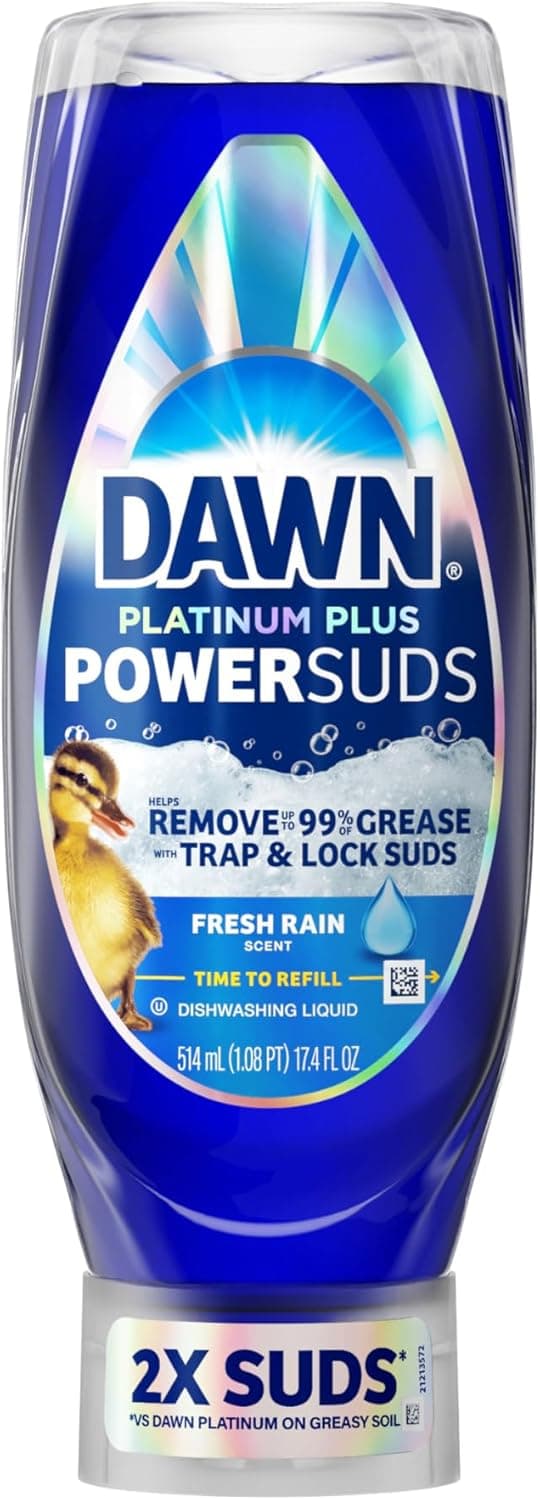
Dawn Platinum EZ-Squeeze Dish Spray
Dawn
Compatibility reference: 8.7Fit: Situational
Professional-use context: Kitchen oils, fingerprints, and organic films on hard surfaces.
Score: 9
Fit: Situational
Use with extra label care here—tradeoffs or limits matter more for this pairing.
• Tagged for “grease buildup” in the product library
• Surfactant class is strong for grease and food films
Ranks #4 here—Simple Green Pro HD Heavy-Duty Cleaner leads for this problem on this surface.
Compare with Simple Green All-Purpose Cleaner →For heavier buildup
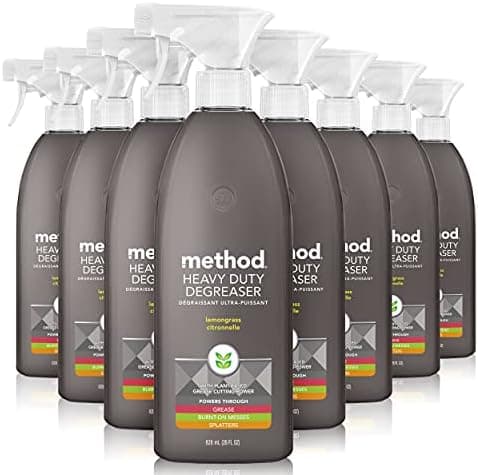
Method Heavy Duty Degreaser
Method
Compatibility reference: 8.2Fit: Situational
Professional-use context: Kitchen oils, fingerprints, and organic films on hard surfaces.
Score: 8
Fit: Situational
Use with extra label care here—tradeoffs or limits matter more for this pairing.
• Tagged for “grease buildup” in the product library
• Alkaline chemistry helps cut kitchen grease when labeled for the surface
Caution: dossier flags granite as incompatible or high-risk
Ranks #3 here—Simple Green Pro HD Heavy-Duty Cleaner leads for this problem on this surface.
For maintenance

Simple Green Pro HD Heavy-Duty Cleaner
Simple Green
Compatibility reference: 7.6Fit: Situational
Professional-use context: Kitchen oils, fingerprints, and organic films on hard surfaces.
Score: 8
Heavy-duty / pro-style option for tougher jobs.
Fit: Situational
Use with extra label care here—tradeoffs or limits matter more for this pairing.
• Tagged for “grease buildup” in the product library
• Alkaline chemistry helps cut kitchen grease when labeled for the surface
Caution: dossier flags granite as incompatible or high-risk
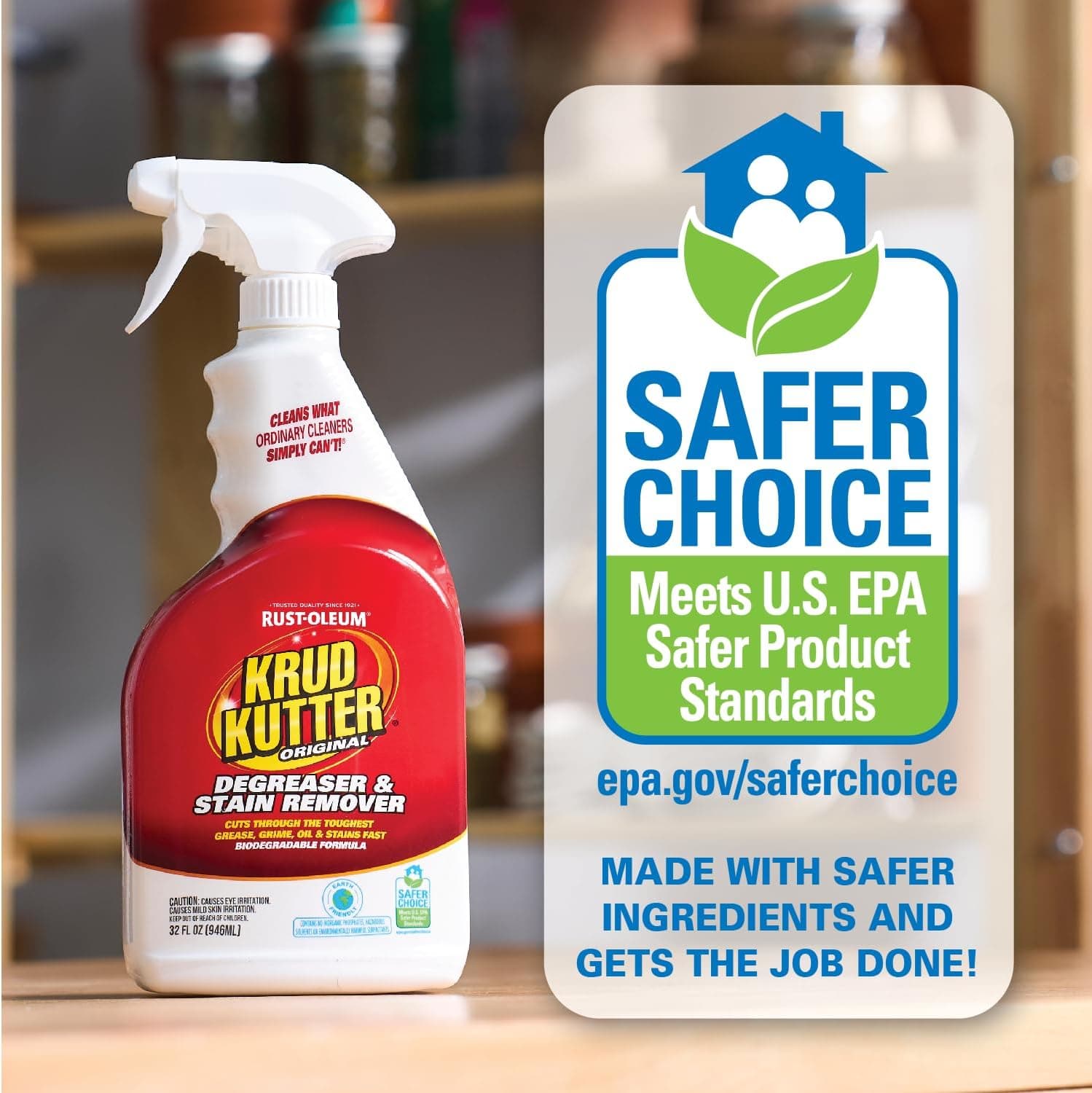
Krud Kutter Original Concentrated Cleaner/Degreaser
Krud Kutter
Compatibility reference: 8.1Fit: Situational
Professional-use context: Kitchen oils, fingerprints, and organic films on hard surfaces.
Score: 8
Fit: Situational
Use with extra label care here—tradeoffs or limits matter more for this pairing.
• Tagged for “grease buildup” in the product library
• Surfactant class is strong for grease and food films
Ranks #2 here—Simple Green Pro HD Heavy-Duty Cleaner leads for this problem on this surface.
Some product links may be affiliate links. This does not affect how products are evaluated or recommended.
Related methods
Related surfaces
Related problems
See also
Related methods
Related surfaces
Related problems
Surface-First
Test First
Gentle Approach
Know When to Stop