problems
Hard Water Stains
Professional guide to identifying, removing, and preventing hard water stains on common household surfaces.
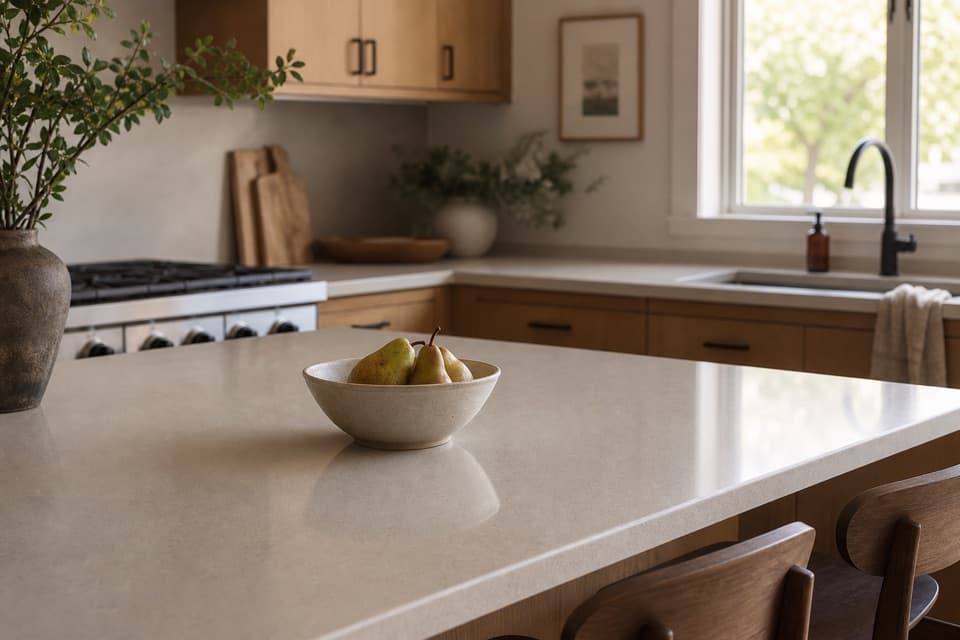
Problems example
Example condition context for cleaning-method selection.
What This Is
Hard water stains are mineral deposits left behind when water evaporates and leaves calcium, magnesium, and related compounds on surfaces such as glass, fixtures, tile, and sinks.
Why It Happens
When hard water dries, dissolved minerals remain behind and accumulate over time. Repeated wetting and drying cycles cause deposits to layer, bond, and sometimes etch sensitive surfaces if not removed early.
What People Do Wrong
People often confuse hard water stains with soap scum, use the wrong chemistry, wipe too soon, or ignore drying. They also over-scrub delicate finishes and make restoration more difficult.
Professional Method
Identify the surface and severity. Apply a mineral-targeting acidic cleaner that is safe for the material, allow dwell time, agitate appropriately, rinse thoroughly, and fully dry the surface. Repeat as needed for layered buildup.
Data and Benchmarks
Hard water staining increases as water hardness rises. Repeated evaporation cycles create progressive accumulation, especially on shower glass, chrome fixtures, tile, and sinks.
Professional Insights
Prevention matters as much as removal. Drying surfaces after use, reducing standing water, and maintaining a regular descaling schedule greatly reduce restoration intensity later.
When to Call a Professional
Call a professional when deposits do not respond to normal descaling, when glass may be etched, when sensitive natural stone is involved, or when buildup is extensive across multiple rooms.